A lifestyle inspiration guide can help anyone build better habits and create meaningful change. Small shifts in daily routines often lead to big results over time. This guide covers practical strategies for defining personal goals, building positive habits, and finding motivation in ordinary moments. Whether someone wants more energy, greater focus, or a stronger sense of purpose, these ideas offer a clear path forward. The following sections break down each step so readers can start making changes today.
Table of Contents
ToggleKey Takeaways
- A lifestyle inspiration guide becomes most effective when grounded in a clear personal vision—writing down goals increases achievement rates by 42%.
- Build daily habits that are specific and easy to start, such as linking new behaviors to existing routines through habit stacking.
- Design your physical and digital environments to support positive change by reducing clutter, auditing social media, and limiting distractions.
- Consistency beats intensity—small daily actions create stronger habits than occasional big efforts.
- Find inspiration in everyday moments by practicing awareness, staying curious, and consuming quality content regularly.
- Prioritize rest and downtime as essential requirements for sustained motivation and creativity.
Define Your Vision for an Inspired Life
Every lifestyle inspiration guide starts with one key step: knowing what an inspired life actually looks like. Without a clear picture, people tend to drift from one goal to the next without real progress.
Start by asking direct questions. What does a fulfilling day feel like? What activities bring energy instead of draining it? Who are the people that matter most? Writing down answers to these questions creates a foundation for future decisions.
Vision statements don’t need to be complicated. A simple sentence works fine. For example: “I want to wake up excited about my work and have time for friends and hobbies.” That’s specific enough to guide action but flexible enough to allow growth.
Here’s a practical exercise: List three things that would make tomorrow better than today. These could be small, like drinking more water or taking a 10-minute walk. They could also be bigger, like scheduling a difficult conversation or applying for a new job. The point is to connect daily choices to larger goals.
People who define their vision tend to make faster progress. Research from Dominican University found that individuals who write down goals are 42% more likely to achieve them. A lifestyle inspiration guide becomes much more effective when it’s grounded in personal priorities rather than generic advice.
Revisit this vision regularly. Life changes, and so do priorities. Checking in every few months keeps goals relevant and prevents frustration when old targets no longer fit.
Daily Habits That Create Lasting Change
Habits form the backbone of any lifestyle inspiration guide. What someone does every day matters more than occasional bursts of effort.
The best habits share a few traits: they’re specific, they’re easy to start, and they connect to something meaningful. “Exercise more” is vague. “Walk for 15 minutes after lunch” is actionable.
Morning routines get a lot of attention, and for good reason. How a day starts often sets the tone for everything that follows. Some people thrive with early workouts. Others prefer journaling or meditation. The key is finding what works and sticking with it long enough to see results, usually at least 30 days.
Evening routines deserve equal focus. Winding down properly improves sleep quality and sets up the next day for success. Simple practices like putting away screens an hour before bed, preparing clothes for the morning, or reviewing the day’s wins can make a noticeable difference.
Habit stacking is another useful technique from any solid lifestyle inspiration guide. This means linking a new habit to an existing one. For instance: “After I pour my morning coffee, I’ll write three things I’m grateful for.” The existing habit (coffee) triggers the new one (gratitude).
Consistency beats intensity. Doing something small every day creates stronger neural pathways than doing something big once a week. A 10-minute daily practice adds up to over 60 hours per year. That’s enough time to learn a new skill, improve fitness, or build deeper relationships.
Tracking progress helps too. A simple calendar where completed habits get marked builds momentum. Seeing a streak of checkmarks motivates people to keep going.
Curate Your Environment for Positivity
Environment shapes behavior more than most people realize. A good lifestyle inspiration guide addresses surroundings as much as mindset.
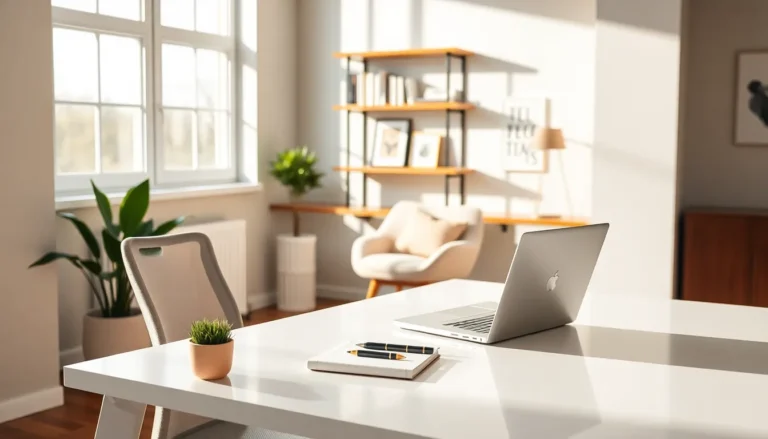
Physical spaces affect mood and productivity. Cluttered rooms create mental noise. Clean, organized spaces free up mental energy for more important tasks. This doesn’t mean becoming a minimalist, it means keeping areas functional and pleasant.
Start with the spaces used most often. A desk piled with papers makes focusing harder. A kitchen with healthy food visible encourages better eating. Small changes to environment can remove friction from good habits and add friction to bad ones.
Digital environments matter just as much. Phone notifications constantly interrupt focus. Social media feeds can drain energy or inspire action, depending on who someone follows. Auditing these inputs is part of any effective lifestyle inspiration guide.
Consider these quick wins:
- Unfollow accounts that trigger comparison or negativity
- Set specific times for checking email instead of constant monitoring
- Use app blockers during focused work periods
- Keep inspiring books or images in visible spots
Social environments also play a major role. People tend to adopt the habits and attitudes of those around them. Spending time with motivated, positive individuals makes personal growth easier. This doesn’t mean cutting off longtime friends, it means being intentional about who gets the most time and attention.
The goal is designing an environment that supports the vision defined earlier. When surroundings align with goals, willpower becomes less necessary. Good choices become the path of least resistance.
Finding Inspiration in Everyday Moments
Inspiration doesn’t always come from grand experiences. A lifestyle inspiration guide should highlight how ordinary days offer plenty of fuel for motivation.
Paying attention is the first step. Most people move through routines on autopilot. They miss the small details that could spark creativity or gratitude. Practicing awareness, even for a few minutes daily, changes this pattern.
Try this: During a regular activity like commuting or cooking, notice five specific things. The color of the sky. The texture of ingredients. The sound of traffic. This simple practice trains the brain to find interest in familiar situations.
Curiosity also generates inspiration. Asking questions about how things work, why people behave certain ways, or what might happen if circumstances changed keeps the mind active. Curious people rarely feel bored.
Consuming quality content provides another source. Books, podcasts, documentaries, and conversations with interesting people all feed the imagination. A lifestyle inspiration guide works best when paired with regular inputs of new ideas.
Creating something, anything, is another reliable method. Writing a paragraph, sketching a picture, cooking a new recipe, or building something with hands engages different parts of the brain. The act of creation often produces more inspiration than passive consumption.
Finally, rest matters. Tired minds struggle to feel inspired. Sleep, breaks, and downtime aren’t obstacles to productivity, they’re requirements for sustained motivation. Some of the best ideas arrive during walks, showers, or quiet moments away from screens.