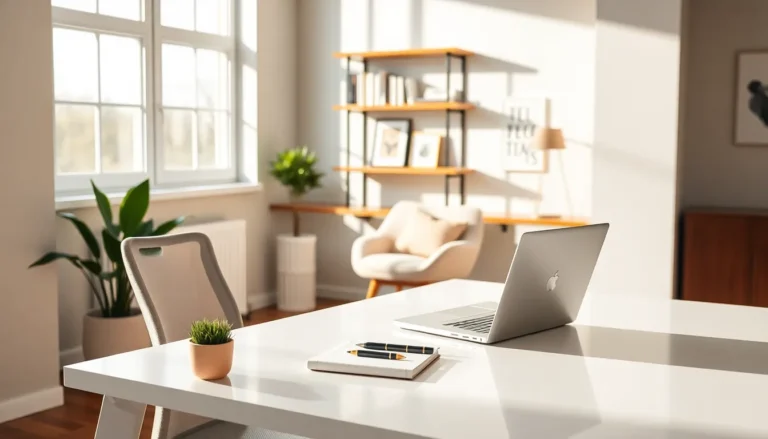
Most people wake up, scroll their phones, rush through the morning, and wonder why they feel drained by noon. Sound familiar? The good news is that small, intentional changes can shift everything. Lifestyle inspiration ideas don’t require a complete overhaul, they start with simple tweaks that compound over time. This guide covers practical ways to energize mornings, organize living spaces, build lasting habits, balance responsibilities, and discover new passions. These strategies work because they fit into real life, not some idealized version of it.
Table of Contents
ToggleKey Takeaways
- Small, intentional lifestyle changes compound over time—start with a 15-minute morning ritual that includes hydration, movement, and screen-free time.
- Design your living space with natural light, decluttered surfaces, and dedicated zones to support focus, creativity, and relaxation.
- Build lasting habits using the two-minute rule and habit stacking—attach new behaviors to existing routines to make them automatic.
- Protect work-life balance by setting hard stop times, creating transition rituals, and scheduling personal activities like meetings.
- Explore new hobbies with low-stakes experimentation—revisit childhood interests and join communities without pressure to monetize everything.
- These lifestyle inspiration ideas work because they fit into real life, focusing on achievable systems rather than willpower alone.
Create a Morning Ritual That Energizes You
The first hour of the day sets the tone for everything that follows. A strong morning ritual doesn’t mean waking at 5 AM or running marathons before breakfast. It means building a sequence of actions that signal to the brain: it’s time to engage.
Start with hydration. The body loses water during sleep, so drinking a full glass first thing jumpstarts metabolism and clears mental fog. Add lemon if that appeals, it’s not magic, but it tastes better than plain water for many people.
Movement comes next, and it doesn’t need to be intense. Ten minutes of stretching, a short walk around the block, or a few yoga poses increase blood flow and wake up stiff muscles. The key is consistency, not duration.
Avoid screens for at least 30 minutes after waking. Emails and social media trigger reactive thinking. Morning rituals should be proactive. Journaling, reading a few pages, or sitting quietly with coffee creates mental space before the demands of the day rush in.
These lifestyle inspiration ideas work because they’re achievable. Nobody sustains a two-hour morning routine long-term. But fifteen focused minutes? That sticks.
Design Your Living Space for Comfort and Creativity
Environment shapes behavior more than willpower does. A cluttered, dim room makes relaxation difficult. A chaotic workspace kills focus. Designing a living space intentionally supports the lifestyle someone wants to live.
Start with light. Natural light improves mood and energy levels. Position desks and reading chairs near windows when possible. For darker spaces, warm LED bulbs mimic daylight better than harsh fluorescents.
Declutter surfaces. This doesn’t mean minimalism for its own sake. It means removing items that don’t serve a purpose or bring genuine pleasure. Fewer visual distractions help the brain relax.
Create zones for different activities. A dedicated reading corner, a specific spot for work, and a cozy area for unwinding signal to the brain what mode to enter. Even in small apartments, a comfortable chair with good lighting can become a reading nook.
Add personal touches that spark joy, artwork, plants, photographs, or meaningful objects. These lifestyle inspiration ideas transform generic rooms into spaces that feel alive.
Sound matters too. Some people focus better with background music. Others need silence. Noise-canceling headphones or a small speaker can make a significant difference in how a room feels.
Build Healthy Habits That Stick
Most habit attempts fail within weeks. The problem isn’t motivation, it’s strategy. Sustainable habits require systems, not willpower.
The two-minute rule helps here. Any habit can start as a two-minute version. Want to exercise daily? Commit to two minutes of movement. Want to read more? Read one page. The goal is building the neural pathway first. Duration increases naturally once the habit becomes automatic.
Habit stacking works too. Attach a new behavior to an existing one. After brushing teeth, do five squats. After morning coffee, write three things to accomplish that day. The established habit becomes a trigger for the new one.
Track progress visibly. A simple calendar where each completed day gets an X creates momentum. Nobody wants to break the chain once it reaches ten or twenty days.
Environment design supports habit formation. Want to eat healthier? Put fruit on the counter and hide the chips. Want to read before bed? Place a book on the pillow. Remove friction from good habits and add friction to bad ones.
These lifestyle inspiration ideas acknowledge that humans aren’t naturally disciplined. The successful approach designs systems that make good choices easy and poor choices inconvenient.
Find Balance Between Work and Personal Time
Burnout happens when work bleeds into every hour. Balance isn’t about perfect 50/50 splits, it’s about boundaries and intentional transitions.
Set hard stop times. When the workday ends, it ends. Close the laptop. Leave the home office. Physical separation helps mental separation. Even moving from desk to couch signals a shift.
Create transition rituals. A short walk, changing clothes, or making tea marks the passage from work mode to personal mode. The brain needs signals to switch gears.
Protect personal time fiercely. Schedule hobbies, exercise, and social activities like meetings. If it’s not on the calendar, work will expand to fill that space.
Learn to say no. Every yes to something is a no to something else. Declining extra projects or unnecessary meetings preserves energy for what matters most.
These lifestyle inspiration ideas recognize that balance looks different for everyone. A parent with young children has different constraints than a single professional. The principle remains: define boundaries, communicate them clearly, and defend them consistently.
Weekends deserve protection too. At least one day per week should include zero work tasks, no emails, no planning, no “quick check-ins.” Rest is productive. It restores the energy that makes weekday performance possible.
Explore New Hobbies and Passions
Adults often stop exploring. Responsibilities pile up, routines calcify, and curiosity fades. But new hobbies add texture to life. They introduce different communities, develop unexpected skills, and provide creative outlets.
Start with curiosity, not commitment. Take a single pottery class before buying a wheel. Try one rock climbing session before purchasing gear. Low-stakes experimentation reveals genuine interests without significant investment.
Revisit childhood interests. What captivated attention at age ten? Drawing, building models, playing music, collecting things? These early fascinations often point toward adult hobbies worth pursuing.
Join communities around interests. Local clubs, online forums, and group classes connect people with shared passions. Social connection amplifies the enjoyment of any hobby.
Don’t monetize everything. Not every interest needs to become a side hustle. Some activities exist purely for pleasure. Protecting that space matters for mental health.
These lifestyle inspiration ideas encourage playfulness. Adults need play as much as children do, perhaps more. A new hobby doesn’t need to be productive or impressive. It just needs to be enjoyable.
Try something completely outside the comfort zone. Dance classes, amateur theater, learning a language, woodworking, photography, the options are endless. The goal isn’t mastery. It’s engagement with life beyond obligations.